It’s hard to run a business if you don’t know when the next customer will find you. A good annual plan is how you change that.
The end of the year is the best time to step back and look at what’s working, what isn’t, and where you want to go next. Here are the 10 steps we walk through with our clients every year, and with our own marketing too. We organize them around three keys: Engineer your plan. Execute it consistently. Evaluate what’s working.
PS. Want to go deeper? Download the full guide for action steps, worksheets, and examples.

ENGINEER
1. Revisit and Refine Your Goals
Everything else in your marketing starts with knowing where you want to go. Clear goals tell you where to spend your time and money, and what to skip.
Start here: Pick two or three goals tied to real results, like new customers, repeat business, or revenue, and put a number and a date on each.
2. Map Your Customer Journey
Getting a customer is only half the job. When you map how people find you, choose you, and come back, you can see exactly where you’re losing them.
Start here: Write down each stage, from first hearing about you to becoming a repeat customer, and mark where people drop off most.
EXECUTE
3. Optimize Your Website for the User
Your website is your hardest working salesperson, and it never takes a day off. If it’s slow or confusing, people leave without calling.
Start here: Open your site on your phone and ask whether a stranger would know what you do and what to do next within five seconds.
4. Develop Content that Engages
Content builds trust before anyone talks to you. Real stories, behind the scenes, and helpful answers keep you top of mind. Know your audience and the platform you’re posting on.
Start here: Make a simple monthly calendar around real projects, customer stories, and the questions people ask you most.

5. Review Your Social Media Strategy
Social works when you show up where your customers actually are. A few platforms done well beat six done halfway.
Start here: Pick the one or two platforms that bring you the most conversations and focus there.
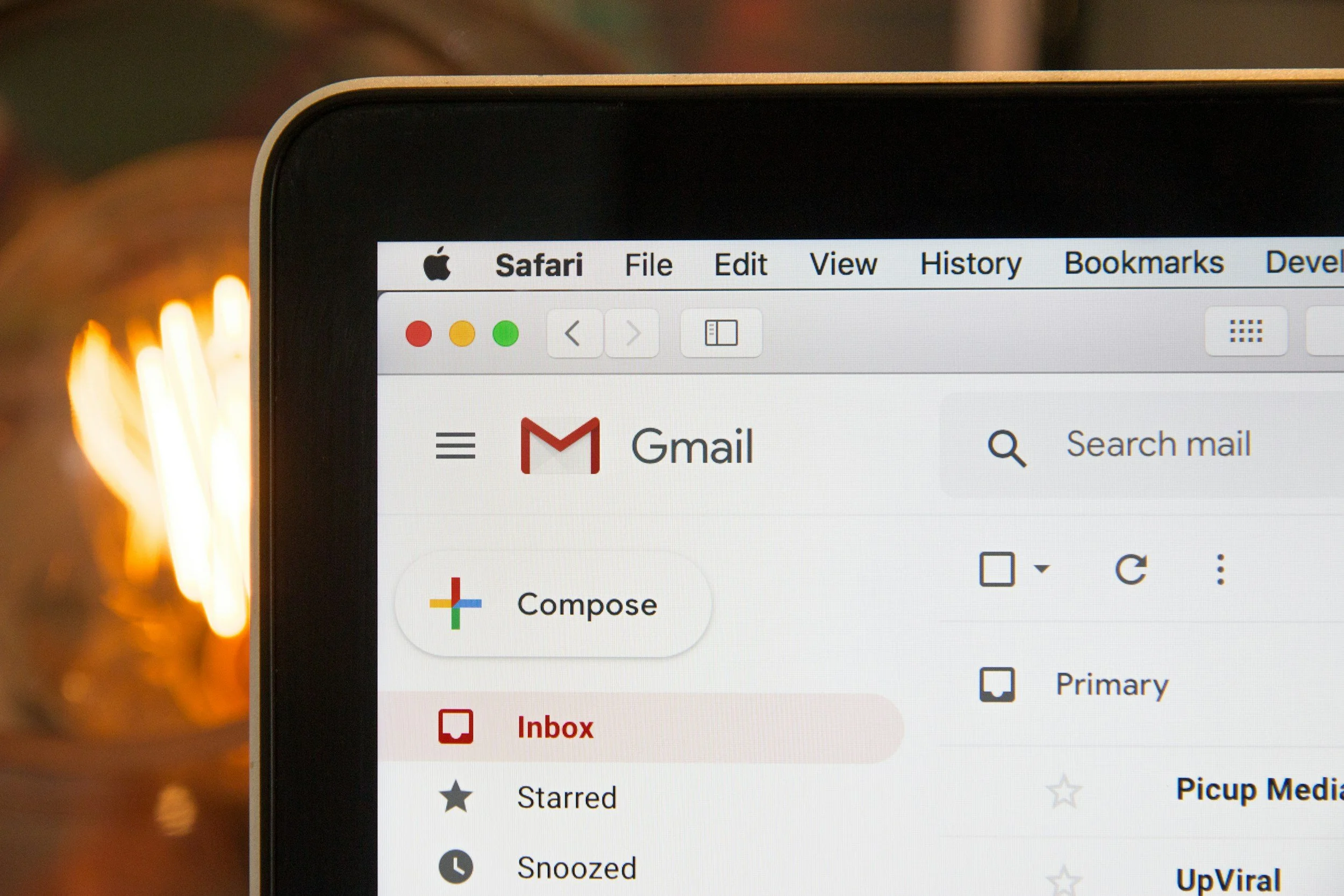
6. Strengthen Your Email Marketing
Email is a direct line to people who already know you, with no algorithm in the way. It’s one of the best ways to bring customers back.
Start here: Send something useful on a regular schedule, and set up a welcome email for every new subscriber.
7. Refresh Your Paid Advertising Strategy
Ads put you in front of the right people faster, but only if they lead somewhere that makes it easy to act. Even a modest budget goes a long way with tight targeting.
Start here: Test two or three different messages and images, then put more budget behind the one that works.
8. Add an Offline Strategy
In a world full of screens, a real conversation or a piece of mail in someone’s hands stands out. Direct mail, events, and community involvement build trust that digital alone can’t.
Start here: Plan one local event, sign up for an industry trade show (that actually makes sense), or mail campaign this year, and follow up with a thank-you within two days.
EVALUATE
9. Conduct a Technology Audit
The right tools save time and make things smoother for your customers. The wrong ones, or too many, cost money and slow you down.
Start here: List every tool you pay for, cancel what you don’t use, and pick one repetitive task, like scheduling or reporting, to automate.
10. Build a Data-Driven Strategy
If you can’t see what’s working, you’re guessing. A few key numbers show you where to double down and what to drop.
Start here: Choose three to five numbers tied to your goals, like leads, new customers, and repeat business, and check them once a month.
Make Next Year Your Breakout Year
The businesses that plan ahead are the ones that grow. You don’t need a 40 page plan. You need clear goals, a message that makes sense, and a few channels done consistently. Start with step one and take it from there.
Want to talk it through? We’d love to hear about your business and share a few ideas for the year ahead.